
What Is Tinnitus?
Tinnitus is a common condition. It causes people to hear sounds that are not present. Often, these sounds include ringing, buzzing, hissing, or clicking. For some, the noise is soft. For others, it can be loud and distracting. Many people notice tinnitus more in quiet places. Sometimes, it comes and goes. In other cases, it is always there. According to the World Health Organization (WHO), millions of people worldwide experience tinnitus. While it is not a disease, it can affect daily life. For example, it may make it hard to sleep or focus.
How Do Hearing Aids Work?
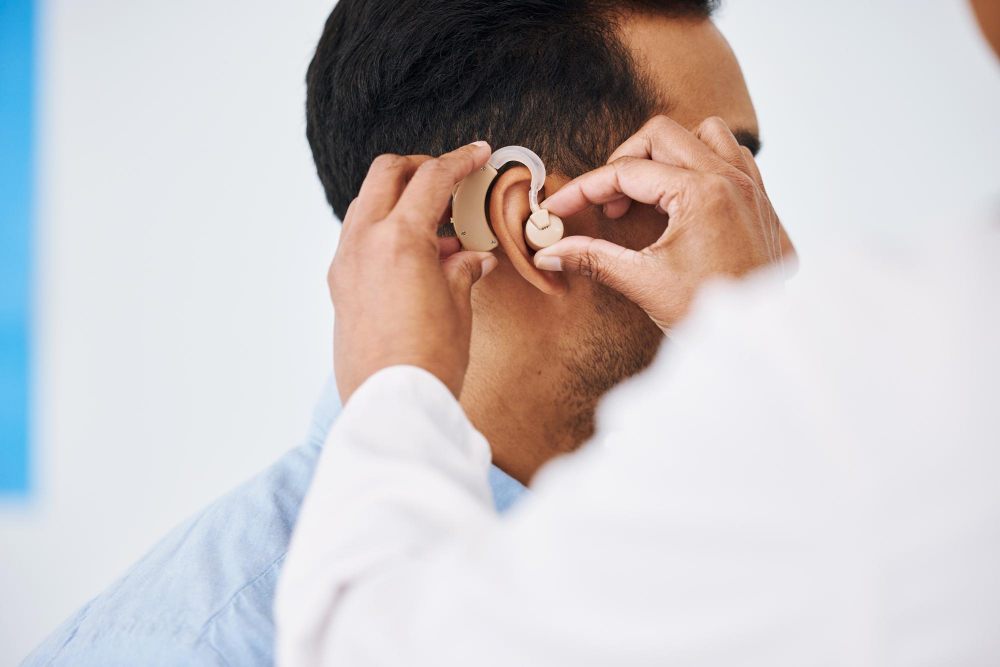
Hearing aids are small electronic devices. They help people hear better by making sounds louder. Usually, they have a microphone, an amplifier, and a speaker. First, the microphone picks up sounds from the environment. Next, the amplifier makes these sounds stronger. Then, the speaker sends the louder sounds into the ear. Because of this, people with hearing loss can hear speech and other sounds more clearly. Modern hearing aids are small and comfortable. Some even connect to smartphones for easy control.
The Relationship Between Hearing Loss and Tinnitus
Many people with tinnitus also have hearing loss. In fact, the two often go hand in hand. When hearing is reduced, the brain may try to fill in the missing sounds. As a result, it creates phantom noises, which we call tinnitus. According to the Centers for Disease Control and Prevention (CDC), hearing loss is a leading cause of tinnitus. Therefore, treating hearing loss can also help manage tinnitus symptoms.
How Hearing Aids Can Help Relieve Tinnitus
Hearing aids and tinnitus relief often go together. When you use hearing aids, you can hear more of the sounds around you. This helps mask or cover up the ringing or buzzing of tinnitus. For many, this makes the tinnitus less noticeable. In addition, hearing aids can help the brain focus on real sounds. As a result, the brain pays less attention to the tinnitus. Some hearing aids even have special features. For example, they can play soft background sounds to further reduce tinnitus awareness. Studies in medical journals show that many people feel better when using hearing aids for tinnitus management.
Benefits and Limitations of Hearing Aids for Tinnitus
Tips for Choosing and Using Hearing Aids for Tinnitus Relief
Choosing the right hearing aids for tinnitus relief is important. Here are some helpful tips:
Prevention and Lifestyle Guidance
While not all tinnitus can be prevented, some steps may help. For instance, protect your ears from loud noises by using earplugs. Also, keep the volume low when listening to music. In addition, manage stress, as it can make tinnitus worse. Eating a healthy diet and getting enough sleep can also help. If you notice hearing changes or new sounds in your ears, see a doctor soon. Early care can make a big difference in tinnitus management.
Conclusion
In summary, hearing aids and tinnitus are closely linked. Hearing aids can provide relief for many people with tinnitus and hearing loss. However, they may not work for everyone. For the best results, talk to a hearing specialist. They can help you find the right solution for your needs. Reach out to a hearing specialist at Voice Care Speech and Hearing Clinic for expert tinnitus relief options tailored to your needs.