Introduction
Behavioral therapy for children with autism spectrum disorder (ASD) is a proven way to help kids learn and grow. Many families seek autism therapy for children to improve daily life and social skills. Early intervention for autism can make a big difference. In this guide, you will learn what behavioral therapy is, how it works, and why it is important for children with ASD.
What is Autism Spectrum Disorder (ASD)?
Autism spectrum disorder, or ASD, is a condition that affects how a child communicates and interacts with others. Children with ASD may have trouble speaking, making eye contact, or understanding social cues. Some children may repeat actions or have strong interests in certain topics. According to the CDC, ASD affects about 1 in 36 children in the United States. Each child with ASD is unique, so their needs can be different.
What is Behavioral Therapy?
Behavioral therapy is a treatment that helps children change unwanted behaviors and learn new skills. It uses rewards, practice, and clear steps to teach children how to act in different situations. For children with ASD, behavioral therapy often focuses on communication, social skills, and daily routines. Many experts recommend behavioral therapy as a key part of ASD behavioral interventions.
How Behavioral Therapy Helps Children with ASD
For many children with ASD, behavioral therapy can make daily life easier. For example, it can help children learn to talk, play, and follow instructions. In addition, therapy can reduce challenging behaviors, such as tantrums or self-harm. Over time, children may feel more confident and better able to join in family and school activities. Because every child is different, therapy plans are tailored to each child’s needs.
Types of Behavioral Therapy for ASD
Signs a Child May Benefit from Behavioral Therapy
Many parents wonder if their child needs therapy. Some signs that a child may benefit include:
If you notice these signs, it may be time to seek help. Early intervention for autism can lead to better outcomes.
How Behavioral Therapy Sessions Work
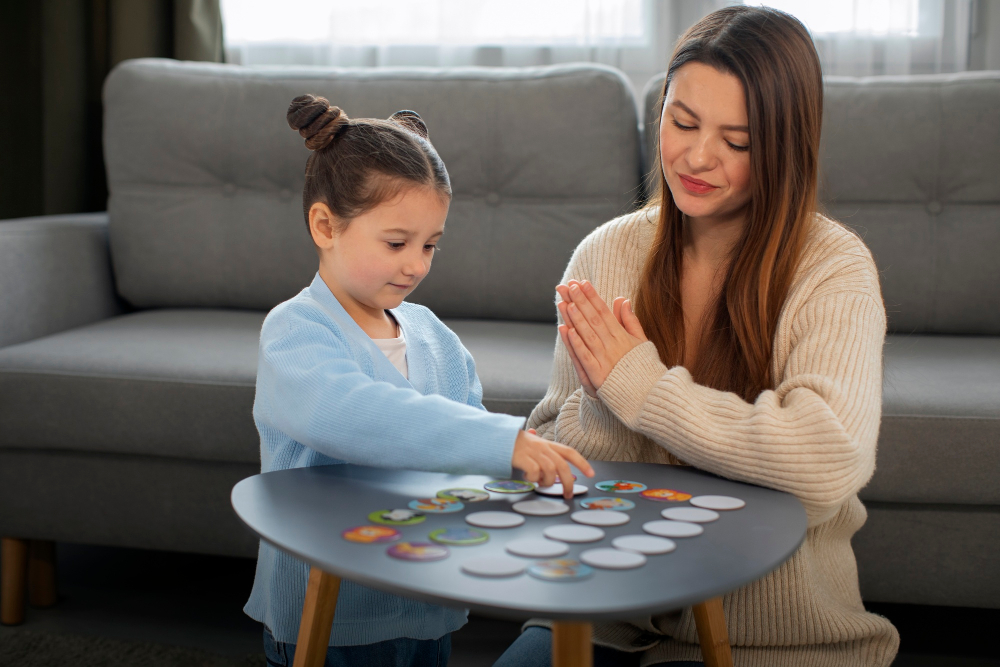
Behavioral therapy sessions are usually one-on-one or in small groups. First, the therapist meets with the child and family to set goals. Then, the therapist uses games, pictures, and practice to teach new skills. For example, a session may focus on sharing toys or asking for help. Parents are often involved so they can use the same strategies at home. Sessions may last from 30 minutes to two hours, depending on the child’s needs.
Benefits and Expected Outcomes
Many families see positive changes after starting behavioral therapy for autism. Some benefits include:
However, progress may take time. Each child learns at their own pace. With patience and support, most children make steady gains.
Tips for Parents and Caregivers
Prevention and Early Intervention
While ASD cannot be prevented, early intervention for autism can help children reach their full potential. The CDC and WHO recommend starting therapy as soon as signs of ASD appear. Early support can improve language, social skills, and learning. If you have concerns about your child’s development, talk to a healthcare provider right away.
Conclusion
Behavioral therapy for children with autism spectrum disorder offers hope and support for families. With the right help, children can learn, grow, and thrive. Reach out to a qualified specialist at Voice Care Speech and Hearing Clinic to explore the best behavioral therapy options for your child with ASD.